

Beyond the Content Explosion: What 17 ...
Blogs
Here is the uncomfortable truth about AI in learning today: ...
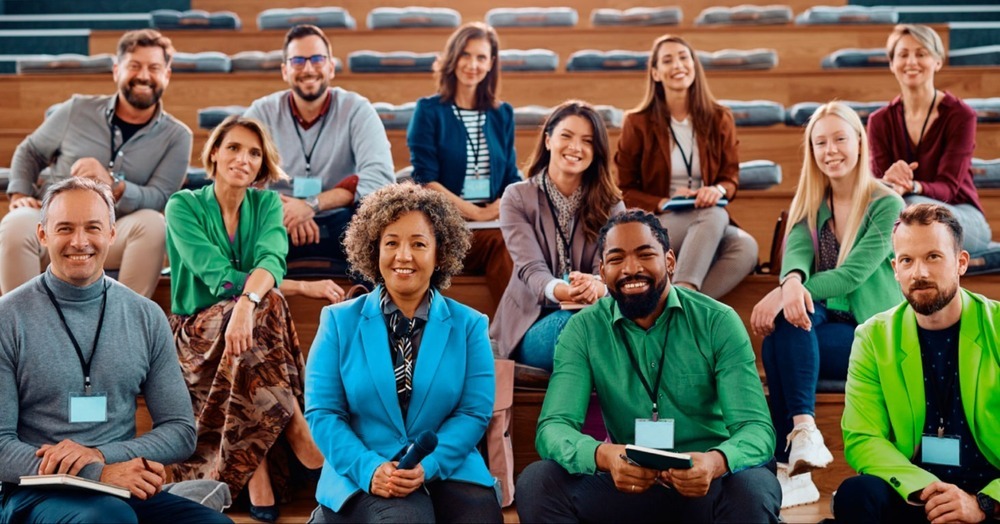
When it comes to training, not all simulations are created equal.
Some put people in a room together, working through scenarios face-to-face. Others create immersive digital environments accessible from anywhere.
And some focus less on human interaction and more on modeling complex systems and data.
Learning the different types of simulations helps you choose the right approach for your training goals.
Let’s take a look at the three primary simulation types, explore which work best for business training, and touch on some business simulation examples to inspire you.
Ready to dive deeper? Check out our full guide to Training Simulation Software.
Simulations fall into three main categories: live, virtual, and constructive. Each serves different purposes and offers distinct advantages.
Live simulations bring real people together in scenarios that mirror actual situations. Participants interact with each other and their environment in real time, making decisions and experiencing consequences as they unfold.
What makes them distinctive:
Where they work best:
Live simulations excel when interpersonal dynamics matter. There's something about being in a room with other people, navigating a challenging scenario together, that builds skills differently than solo training.
Incorporating AI-powered adaptive learning into live simulations can enhance the experience by personalizing scenarios based on verified skills data. Participants get challenged at the right level for their current abilities.
The efficiency gains are real too. AI-driven workflows in healthcare simulation scenario design have reduced development time by approximately 70-80%, making it faster to create relevant, high-quality training experiences.
Virtual simulations use computer-based environments to create immersive experiences. Participants engage through avatars or digital interfaces, practicing skills in scenarios that feel realistic without requiring physical presence.
What makes them distinctive:
Where they work best:
Virtual simulations solve a practical problem: how do you give hundreds or thousands of employees meaningful practice opportunities without the logistics and expense of bringing everyone together?
The answer is creating digital environments that feel authentic enough to trigger genuine learning.
Modern AI tools have made virtual simulations more versatile than ever. Branching simulations can now be generated in minutes—no technical expertise required. Organizations can quickly adapt training to meet evolving business needs instead of waiting months for custom development.
Advancements in AI and machine learning continue to make these simulations more lifelike and engaging, which is especially valuable in high-stakes industries where realistic practice matters most.
Constructive simulations take a different approach. Rather than focusing on direct human interaction, they model systems and processes—allowing participants to analyze scenarios, test strategies, and make data-driven decisions.
What makes them distinctive:
Where they work best:
Constructive simulations shine when you need to understand how complex systems behave under different conditions. What happens to our supply chain if demand spikes 40%? How do different pricing strategies affect market share over time?
By leveraging skills data analytics, constructive simulations provide organizations with audit-ready, evidence-based records that prove competence and support continuous improvement.
Research shows that simulation-based training—particularly when delivered through virtual or augmented reality—significantly improves knowledge retention and engagement.
This makes constructive simulations valuable tools in industries where understanding complex systems is critical.
In corporate training, live and virtual simulations tend to dominate—and for good reason.
Both create the kind of interactive, engaging experiences that drive real skill development. But they serve somewhat different purposes.
Live simulations work well for:
Virtual simulations work well for:
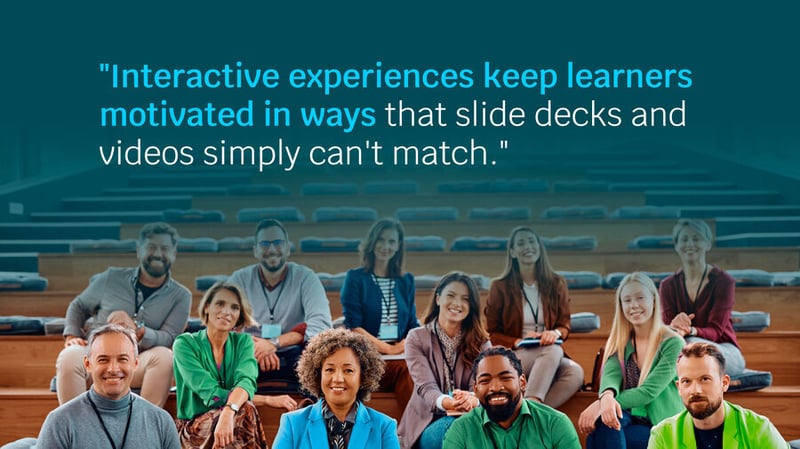
When evaluating simulation tools, organizations often look for platforms that support both live and virtual approaches. This flexibility lets you match the method to the specific skill being developed.
The integration of adaptive assessment-driven onboarding extends these benefits to new hires, creating personalized 30-60-90 day journeys that align training with organizational goals from day one.
Absolutely—and doing so often produces better results than relying on a single approach.
Different people learn differently. Some thrive in face-to-face scenarios; others prefer the lower-pressure environment of virtual practice. Using multiple types of simulation creates a more inclusive learning environment that meets learners where they are.
Live simulations: Role-playing scenarios for high-stakes patient conversations or difficult employee feedback sessions. The in-person dynamic adds pressure that mirrors reality.
Virtual simulations: Interactive platforms for practicing customer interactions or sales conversations. Learners can repeat scenarios until they feel confident.
Constructive simulations: Analyzing data to make strategic business decisions. Participants see how their choices affect outcomes across multiple variables.
Virtual simulations: Scenario-based challenges requiring quick thinking and problem-solving under time pressure.
Live simulations: Team exercises where emerging leaders navigate conflict, make decisions with incomplete information, and manage group dynamics.
Virtual simulations: Individual practice with difficult conversations, performance reviews, or crisis communication.
By employing various types of simulation software, organizations create comprehensive development programs that build skills from multiple angles.
The ability to capture verified skills data during simulations enables ongoing personalization. As learners progress, the system identifies areas needing more practice and adjusts accordingly.
The types of simulation will continue evolving as technology advances. Watch for:
The organizations that leverage these advances effectively will build more capable workforces faster—and that advantage compounds over time.
There's no single "best" type of simulation. The right choice depends on:
Most effective training programs use multiple simulation types strategically, matching methods to learning objectives.
Knowing the types of simulations available is the first step toward building more effective training programs.
Whether you need live scenarios for leadership development, virtual simulations for customer service skills, or constructive modeling for strategic thinking, the right approach makes a measurable difference in how quickly your team develops real capability.
Explore how Skillwell combines AI-powered adaptive learning with immersive simulation training to create personalized, effective development experiences.
Here is the uncomfortable truth about AI in learning today: ...
Adaptive learning promises personalized pathways and measurable gains. Seasoned buyers know no technology arrives without ...
Remote and hybrid higher education changed what "hands-on" can mean.
Here is the uncomfortable truth about AI in learning today: ...
Adaptive learning promises personalized pathways and measurable gains. Seasoned buyers know no technology arrives without ...
Remote and hybrid higher education changed what "hands-on" can mean.