

Beyond the Content Explosion: What 17 ...
Blogs
Here is the uncomfortable truth about AI in learning today: ...
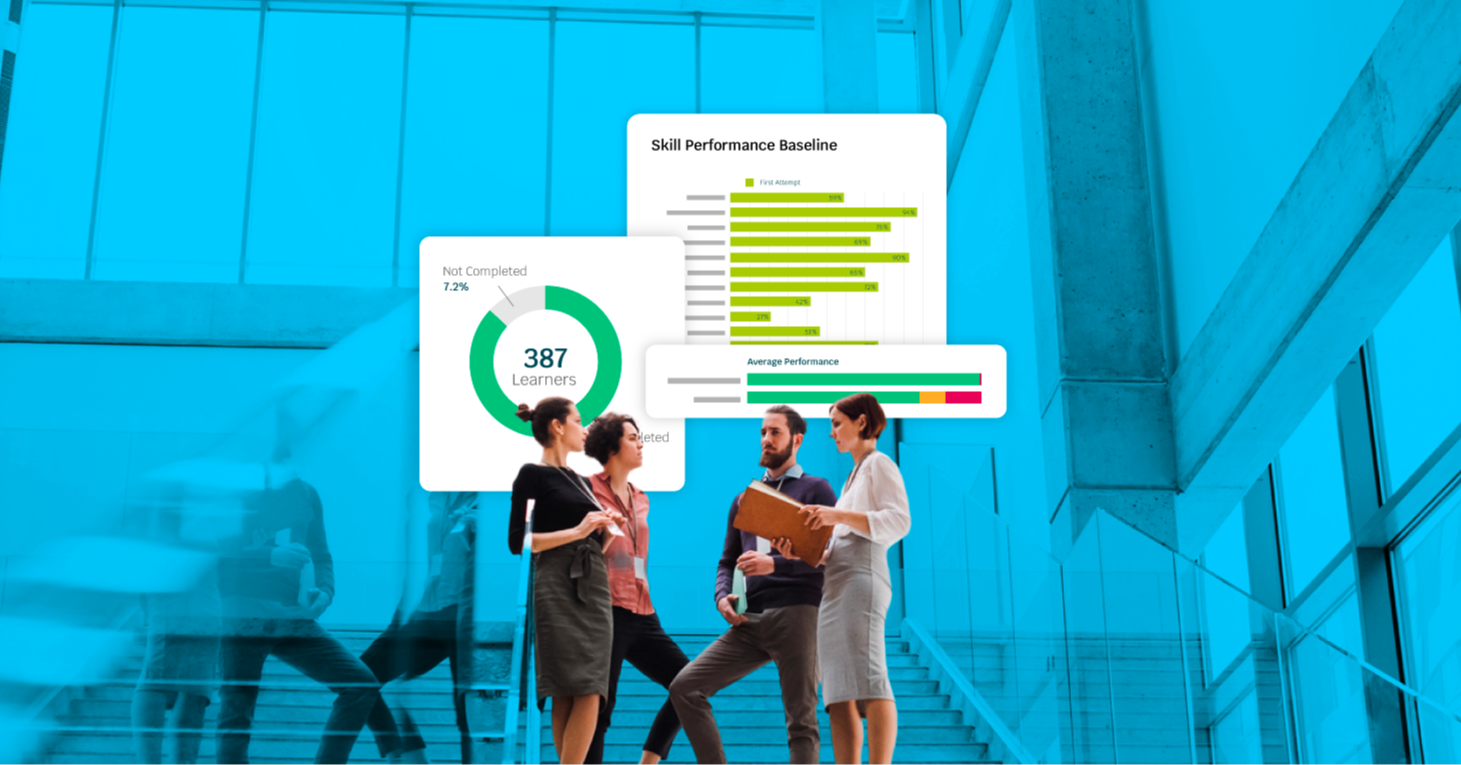
Traditional training programs often miss the mark. They cover broad topics, check compliance boxes, and measure completion—but they don't always build the specific capabilities employees need to perform.
Skills-based training takes a different approach. Instead of general knowledge transfer, it focuses on developing the precise competencies each role requires. Employees don't just learn concepts—they practice applying them until they achieve mastery.
For organizations evaluating skills training software or implementing skills training software for employees, understanding this distinction shapes how you design, deliver, and measure learning programs.
Skills-based training programs are structured learning initiatives designed to build specific, measurable competencies that employees can apply directly in their roles.
The emphasis is on practical capability, not theoretical knowledge. Rather than asking "What does this employee know?" skills-based programs ask "What can this employee do?"
This matters because performance depends on application, not just awareness. Someone might understand the principles of effective negotiation or patient communication—but can they execute those skills when the pressure is real?
The business case is compelling. According to Training Magazine's 2025 report, 72% of organizations believe that investing in reskilling and upskilling significantly boosts productivity.
Skills-based approaches deliver results because they're targeted. Instead of broad content that may or may not apply, training focuses on the exact capabilities each role requires.
This precision leads to faster learning, stronger retention, and more competent performance.
With verified skills data captured during immersive simulations, organizations can also personalize learning pathways—ensuring each employee follows the most effective development journey for their specific needs.
Consider a healthcare organization training clinical staff on high-stakes patient conversations—delivering difficult diagnoses, navigating family discussions, or de-escalating emotional situations.
A traditional approach might involve videos, reading materials, and a knowledge quiz. Employees would learn about effective communication techniques.
A skills-based approach puts clinicians in immersive simulations where they actually practice these conversations. They make decisions, see consequences, receive feedback, and refine their approach—all before facing real patients.
Organizations implementing this approach consistently see improvements in both patient satisfaction scores and staff confidence levels. The training doesn't just inform—it transforms capability.
Branching simulations make this scalable. Different scenarios can address different conversation types, patient populations, or complexity levels—creating comprehensive skill development tailored to specific learning objectives.
One-size-fits-all training wastes time and misses the mark. A sales rep needs different capabilities than a compliance officer. A frontline manager faces different challenges than an individual contributor.
Effective skills-based programs customize learning to role requirements through several methods:
Before training begins, assessments identify the specific competencies each position requires—and where individual employees currently stand. This gap analysis shapes personalized learning pathways.
Ongoing feedback from learners and performance data helps refine training content. What's working? Where do people struggle? This input drives continuous improvement.
AI-powered platforms analyze employee performance in real time and adjust learning pathways accordingly. Someone progressing quickly moves to advanced content. Someone struggling gets additional practice and support.
For new hires, adaptive assessment-driven onboarding creates personalized 30-60-90 day pathways. Instead of generic orientation, employees develop the specific skills their role requires—ramping to productivity faster while building genuine competence.
Implementing skills-based training at scale requires the right technology. Here's what to look for:
Creating role-specific training content used to require months of development. Modern AI-powered authoring tools let subject matter experts generate branching simulations in minutes—no technical expertise required.
This speed matters. Organizations can respond to emerging skill needs quickly and keep training aligned with evolving role requirements.
Tracking completions isn't enough. Analytics should capture verified performance data—how employees handled scenarios, where they excelled, and where gaps remain.
This visibility transforms training from an administrative function into strategic workforce intelligence.
For regulated industries, comprehensive records demonstrating employee competence aren't optional. The right platform generates evidence-based documentation that proves proficiency levels and supports compliance requirements.
Platforms should personalize automatically based on assessment results and ongoing performance. This ensures training time is spent on actual development needs—not content employees have already mastered.
At Skillwell, we've built our platform around these capabilities. Our unique combination of AI-powered adaptive learning with immersive simulation training accelerates upskilling while ensuring employees develop the precise competencies their roles require.
Skills-based training programs focus on what matters: building the specific capabilities employees need to perform. They measure competence, not just completion. They develop mastery through practice, not passive content consumption.
For organizations ready to move beyond traditional training approaches, the key is selecting technology that supports this shift—adaptive learning that personalizes pathways, immersive simulations that build real capability, and verified skills data that proves results.
At Skillwell, we help organizations design and deliver skills-based training that works. AI-powered tools create tailored content quickly. Immersive simulations provide realistic practice environments. Analytics track genuine skill development over time.
The result? Training programs that develop capable, confident employees—faster.
Ready to build skills-based training that delivers? Explore how Skillwell combines AI-powered adaptive learning with immersive simulation to transform workforce development.
Here is the uncomfortable truth about AI in learning today: ...
Adaptive learning promises personalized pathways and measurable gains. Seasoned buyers know no technology arrives without ...
Remote and hybrid higher education changed what "hands-on" can mean.
Here is the uncomfortable truth about AI in learning today: ...
Adaptive learning promises personalized pathways and measurable gains. Seasoned buyers know no technology arrives without ...
Remote and hybrid higher education changed what "hands-on" can mean.