

Beyond the Content Explosion: What 17 ...
Blogs
Here is the uncomfortable truth about AI in learning today: ...
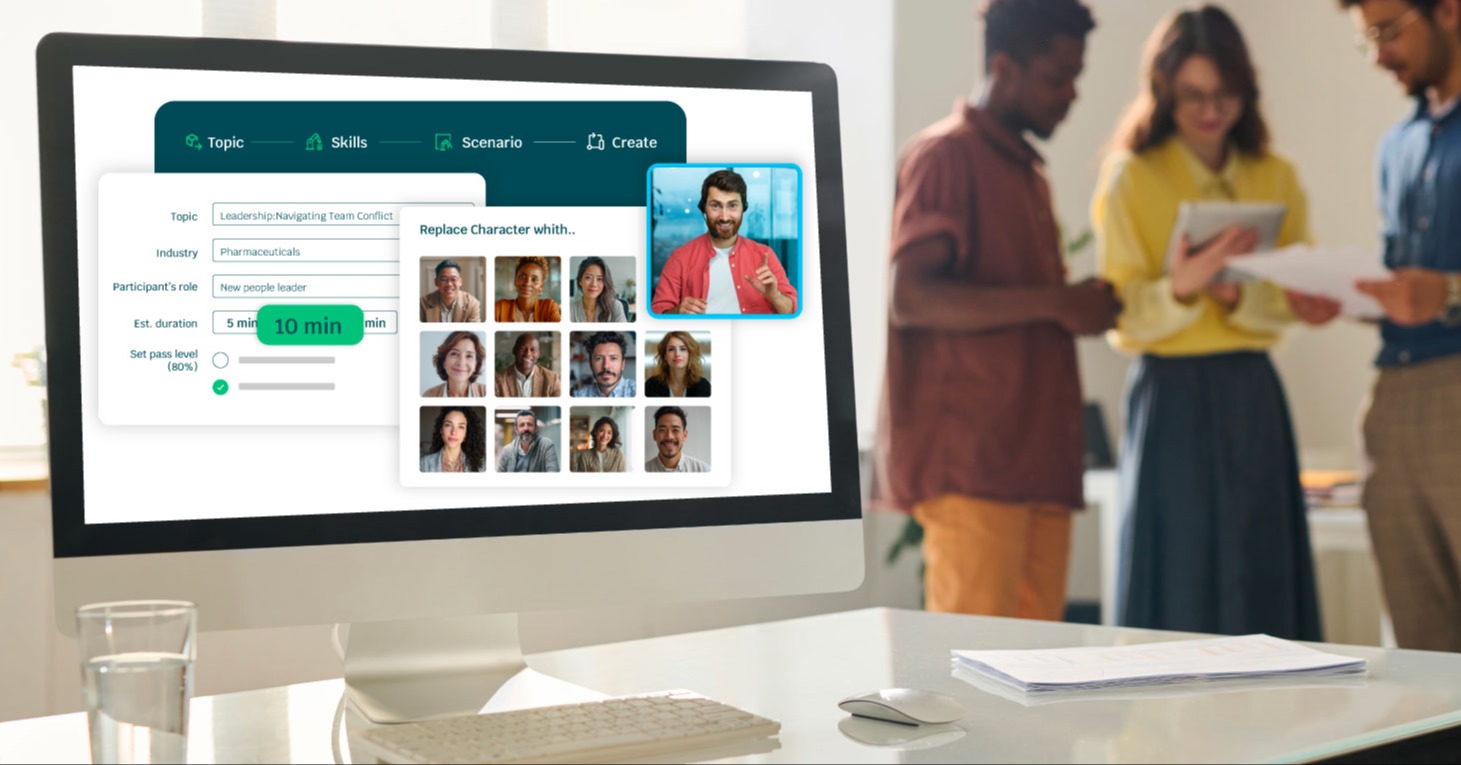
The market for skill-building apps has exploded. A quick search returns hundreds of options—everything from language learning to leadership development, coding bootcamps to compliance training.
But here's the problem: most apps focus on content delivery, not capability building. They track what courses you completed, not what you can actually do.
The best skill-learning platforms take a different approach. They use adaptive technology to personalize the experience, immersive simulations to build real capability through practice, and verified data to prove mastery—not just completion.
Whether you're evaluating platforms for yourself or selecting a solution for your organization, here's what to look for in skills training software and apps.
Not all learning apps are built the same. The features below separate platforms that build genuine capability from those that simply deliver content.
The best platforms adjust to each learner in real time. Instead of forcing everyone through identical content at the same pace, adaptive learning systems dynamically modify difficulty, pacing, and focus based on individual performance and comprehension levels.
This personalization matters. Learners spend time on skills they actually need to develop—not content they've already mastered.
Reading about a skill isn't the same as practicing it. Look for apps that offer immersive simulations where learners navigate realistic scenarios, make decisions, and see consequences.
This approach is especially valuable for high-stakes skills—healthcare conversations, sales negotiations, leadership challenges, and compliance decisions. Immersive technologies like VR, AR, and scenario-based simulations are transforming how learners interact with content, moving from passive consumption to active practice.
Completion badges don't tell you much. Did someone actually develop the skill, or did they just click through the content?

The best platforms capture verified skills data during training—evidence of how someone performed, what decisions they made, and where their strengths and gaps lie. This data drives personalization and provides proof of demonstrated competence.
Research indicates that adaptive platforms using this approach can lead to a 59% improvement in performance and engagement.
For organizations building their own training, the ability to create custom content quickly matters. Modern AI-powered authoring tools let subject matter experts generate branching simulations in minutes—no technical expertise required.
This capability means training can evolve as needs change, without waiting months for development cycles.
Static, linear content limits learning. Branching simulations let learners explore different paths, see how decisions lead to different outcomes, and develop judgment through experience.
This approach makes learning engaging and relevant—every choice matters, and learners see the real-world consequences of their decisions.
Adaptive learning isn't just a feature—it's a fundamentally different approach to skill development. Here's what it makes possible:
Adaptive assessments evaluate current proficiency and create individualized journeys tailored to specific roles and skill levels. Two people in the same training program might follow very different paths based on what they already know and where they need to grow.
When training focuses only on actual gaps—not content someone has already mastered—development accelerates significantly. Many adaptive platforms deliver up to 40% reduction in training time while improving outcomes.
Platforms that generate audit-ready, evidence-based records let learners prove their capabilities to employers. This documentation matters for career advancement, compliance requirements, and demonstrating ROI on training investments.
Apps grounded in behavioral science research use methods proven to work—spaced repetition, scenario-based practice, immediate feedback. Learners retain more because they're actively applying skills rather than passively consuming content.
With so many options available, selecting the right platform requires a structured approach. Here's how to evaluate effectively:
Start with clarity on what skills need to be developed and why. Are you building technical capabilities? Soft skills? Leadership competencies? Compliance knowledge? The answer shapes which platforms are worth considering.
Look for platforms that specialize in the skills you need. Read case studies. Talk to current users. Understand how the platform has performed for organizations similar to yours.
Compare platforms against the features that matter most: adaptive learning, immersive simulation, verified skills data, and content creation capabilities. Not every platform delivers on all of these.
Most platforms offer trials or demos. Use them. Evaluate the user experience from both the learner perspective and the administrator perspective. Is it intuitive? Does the content feel relevant?
Implementation is just the beginning. Consider what ongoing support the platform provides—tutorials, customer success teams, best practices, community forums.
If you're in a regulated industry, confirm that the platform helps manage compliance requirements with proper documentation and audit-ready records.
Selecting the right skill-learning platform is a high-stakes decision. The difference between a platform that builds real capability and one that just tracks course completions can shape workforce performance for years.
For L&D leaders and training buyers evaluating options, the key is focusing on what actually drives results: adaptive technology that personalizes learning, immersive simulations that build skills through practice, and verified data that proves competence.
At Skillwell, we've built our platform around these principles. AI-powered adaptive learning creates personalized pathways. Immersive simulations let learners practice in realistic scenarios. Verified skills data captures evidence of mastery—not just completion.
The result is training that develops genuine workforce capability, faster.
See what Skillwell can do for your organization now. Explore how we combine AI-powered adaptive learning with immersive simulation to transform skill development.
Here is the uncomfortable truth about AI in learning today: ...
Adaptive learning promises personalized pathways and measurable gains. Seasoned buyers know no technology arrives without ...
Remote and hybrid higher education changed what "hands-on" can mean.
Here is the uncomfortable truth about AI in learning today: ...
Adaptive learning promises personalized pathways and measurable gains. Seasoned buyers know no technology arrives without ...
Remote and hybrid higher education changed what "hands-on" can mean.